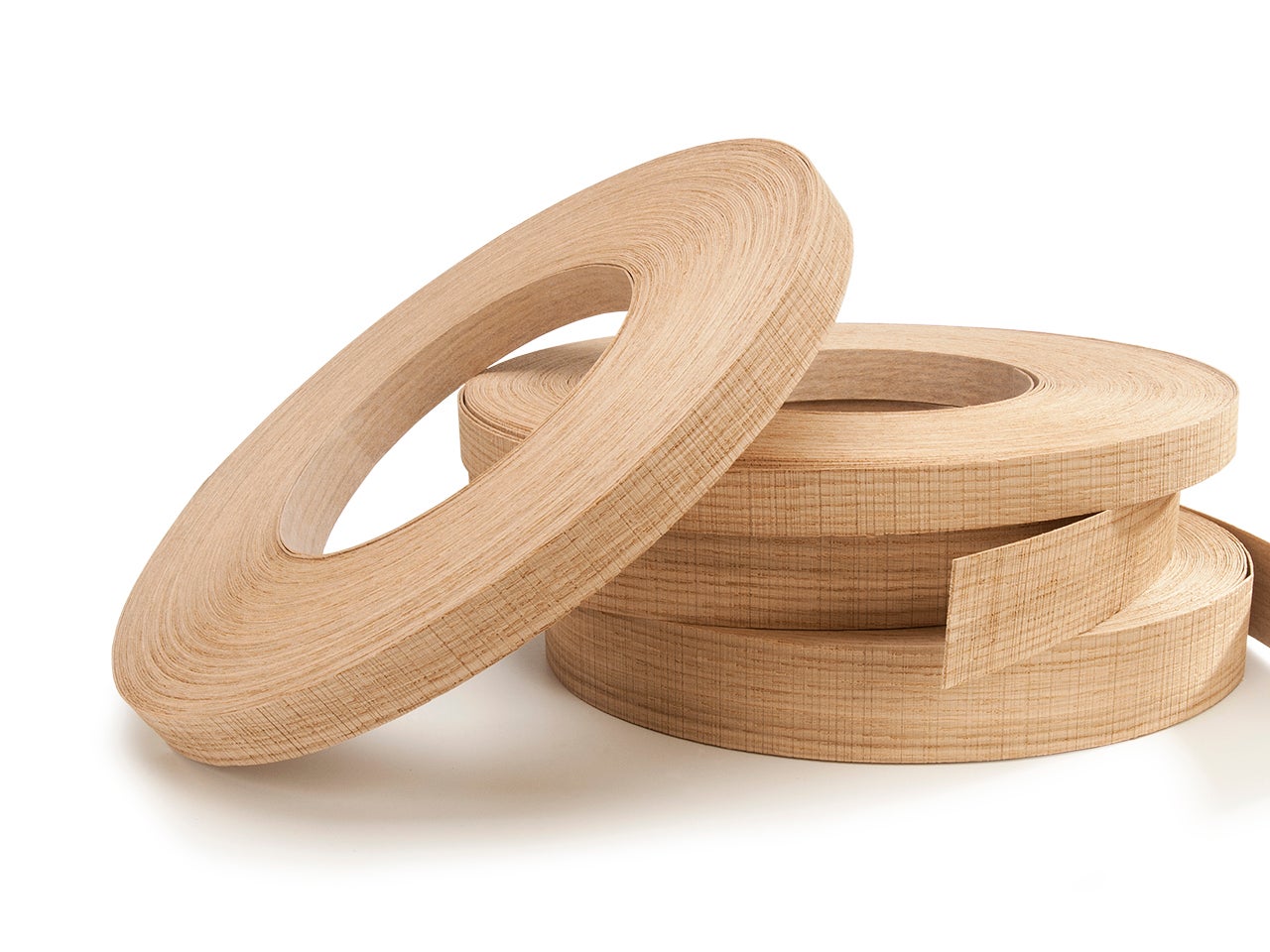
Reconstituted veneer
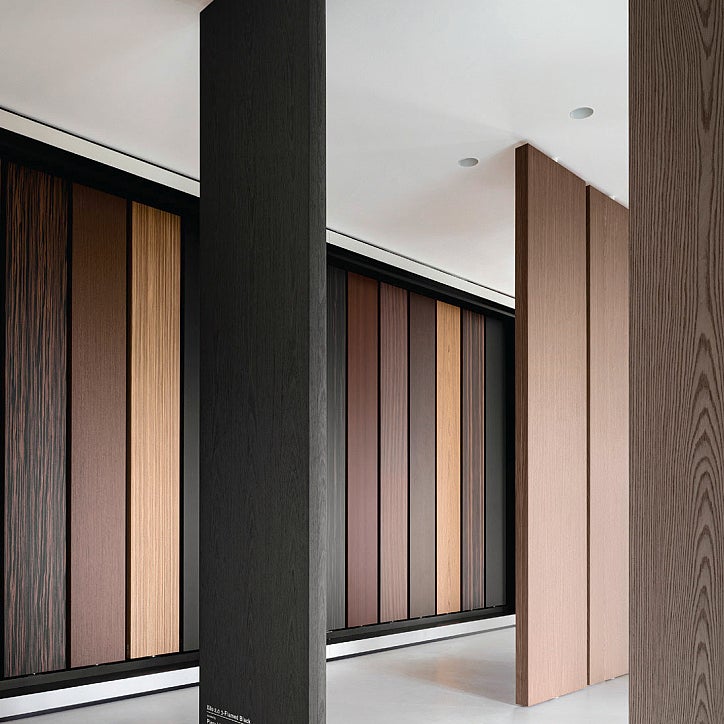
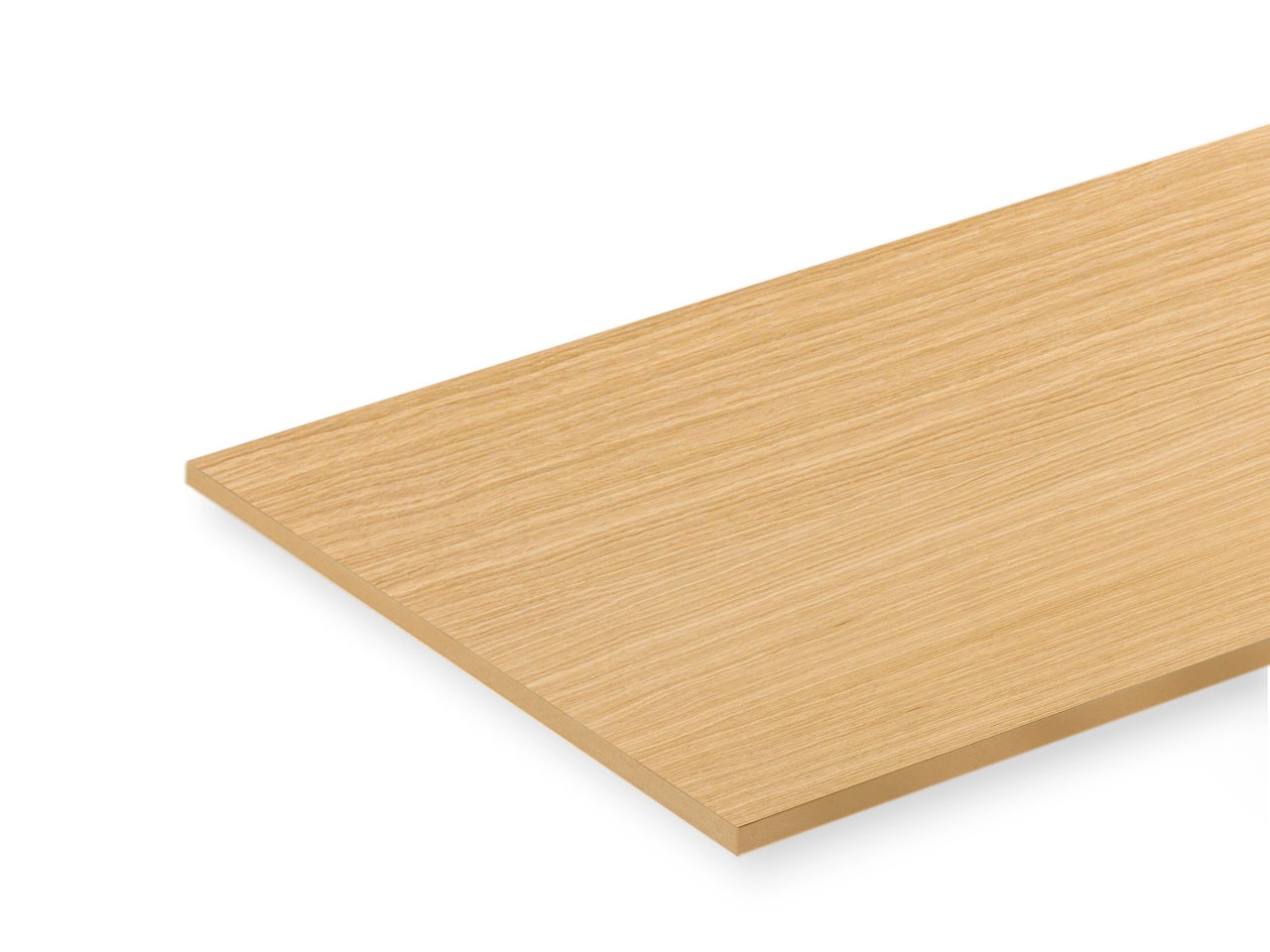
Reconstituted veneer is real wood, re-engineered to overcome nature's limits. Fast-growing, sustainably sourced wood is dyed, reassembled and pressed into a new block, then cut into veneer - giving a material that looks and feels like natural wood, but with a consistency in colour and pattern that solid wood or classic veneer can't match, in volumes large enough for any project.
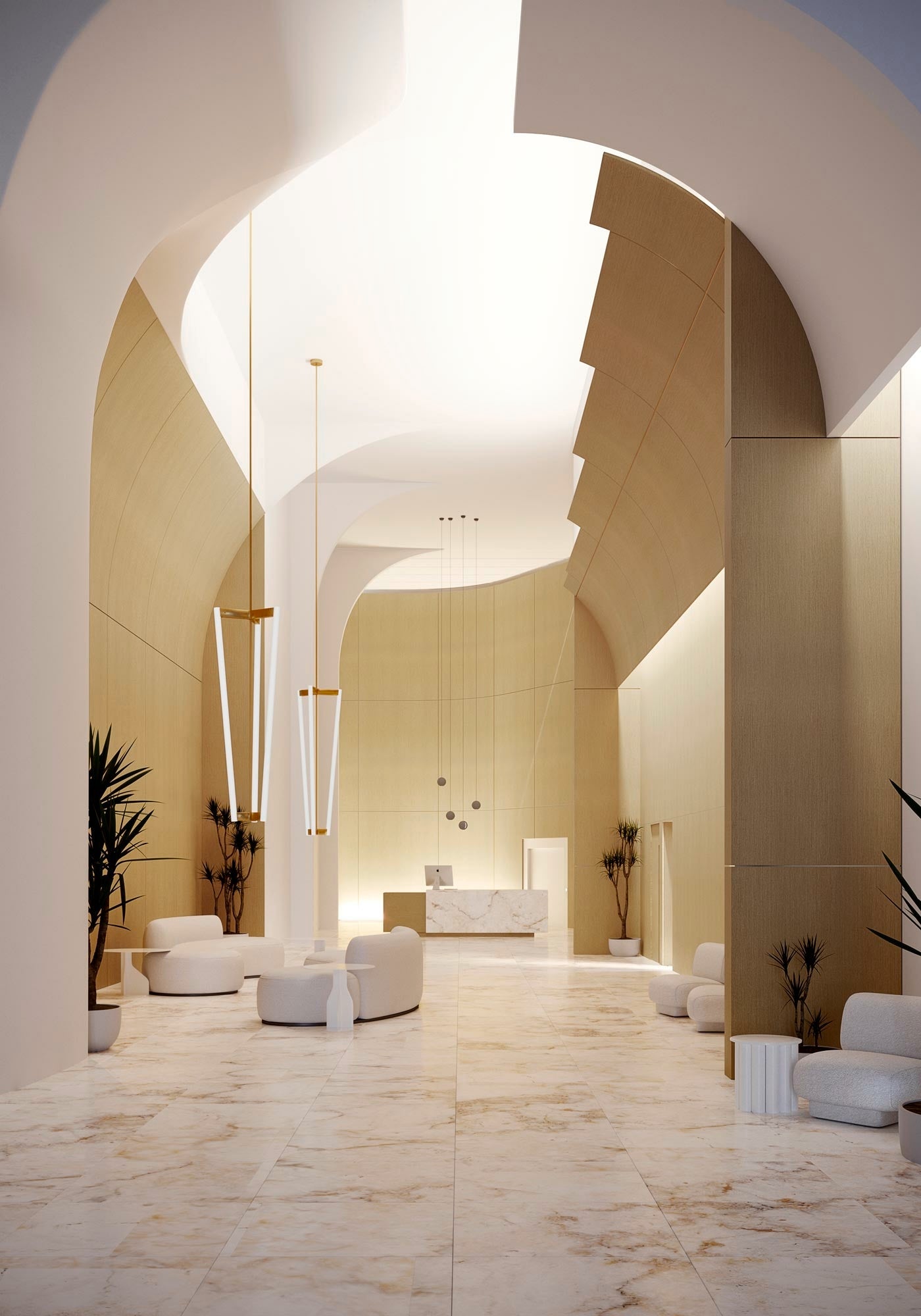
It's the technology behind our Infinite Wood collection, developed with Alpi. Here's how it's made, step by step.
How it's made
Composite veneers are the result of a fascinating process in which the wood is enriched through a number of ingenious technologies. We list the steps below.
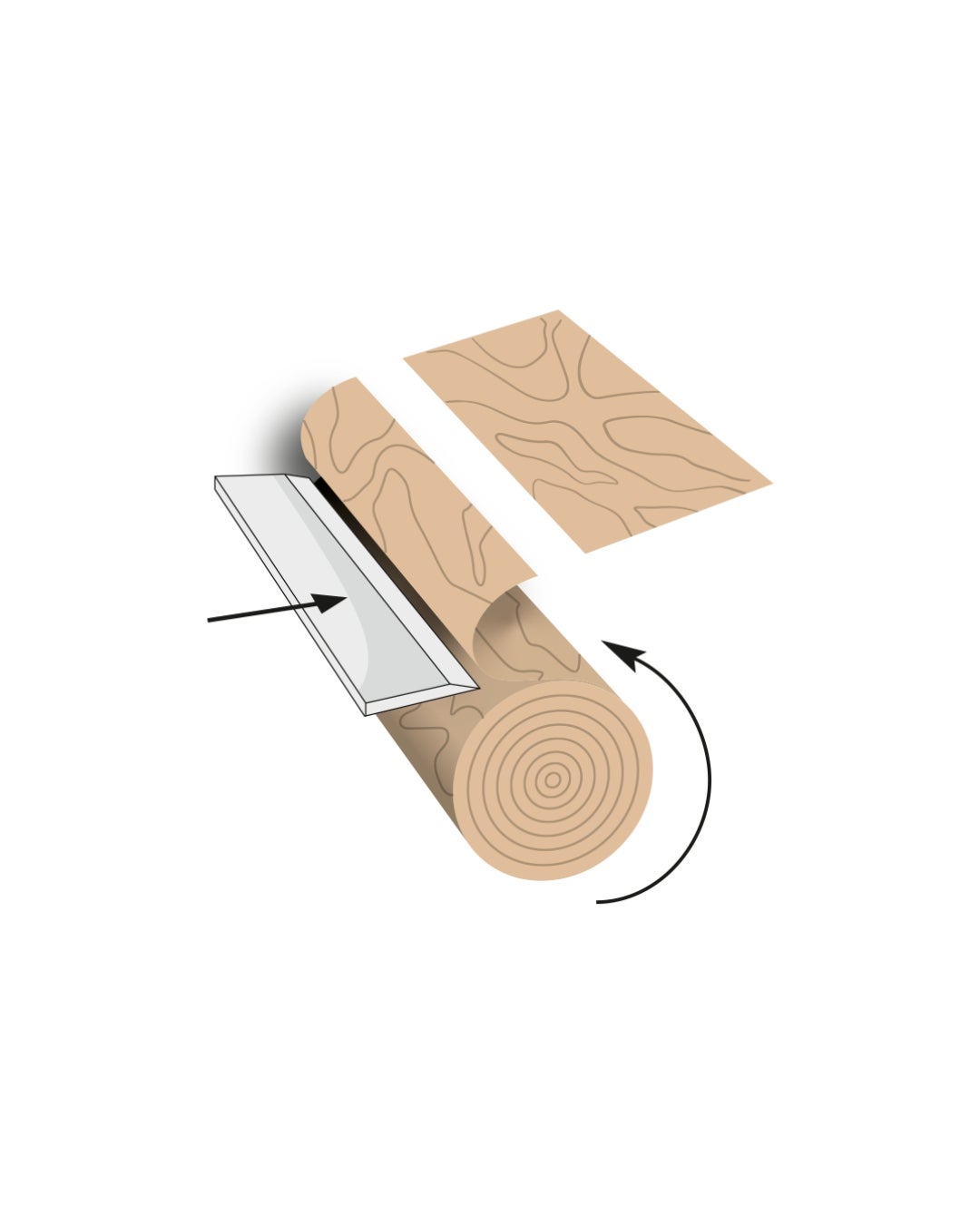
1. Rotary cutting
The logs of ayous, linde or poplar are rotary cut to produce the veneer. We do this by rotating the log around its axis. A knife is positioned against the log to peel off a thin layer of wood. During this process we also cut the correct width of the wood.
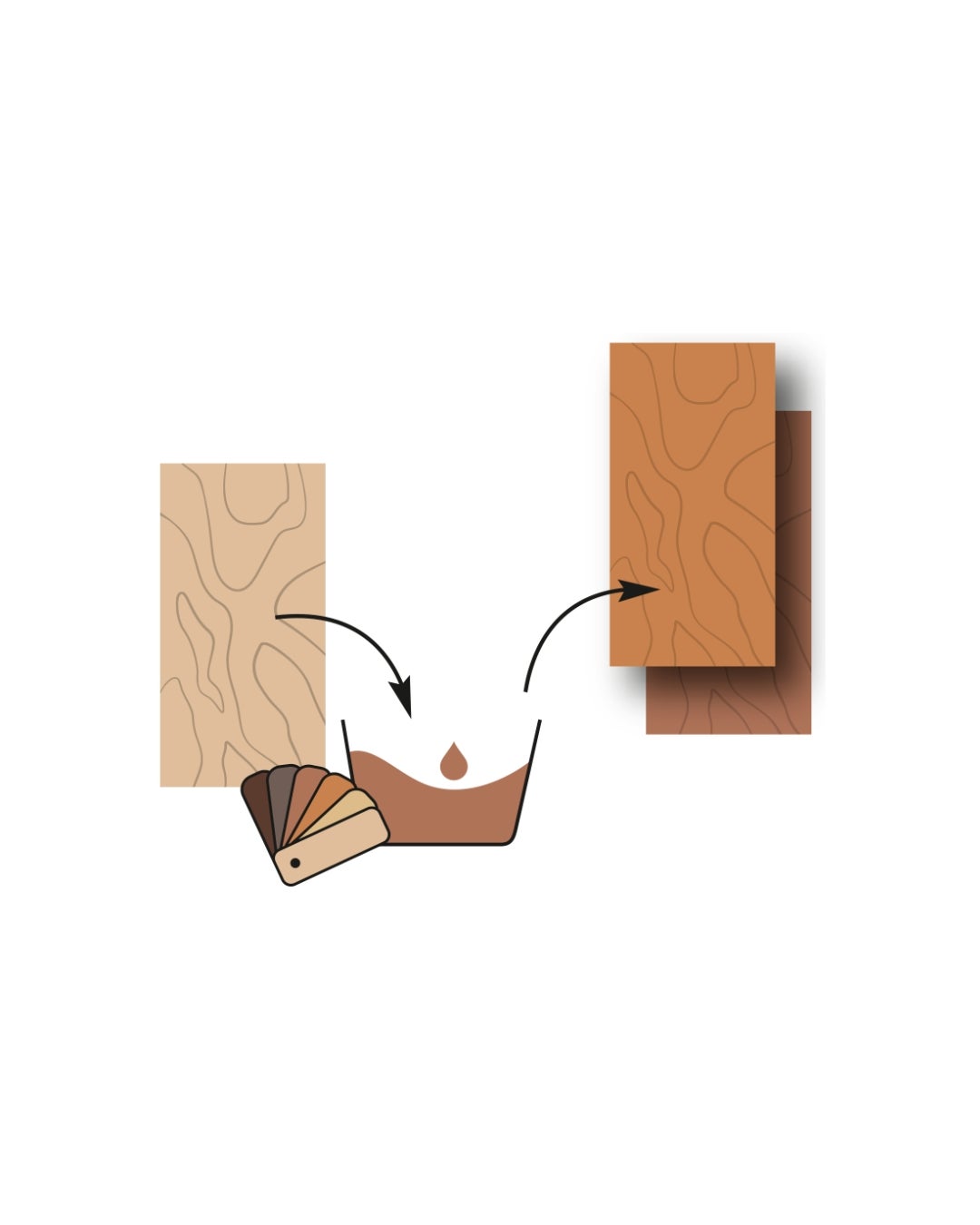
2. Colours
Dyeing is an important part of the process when producing reconstituted veneer. The strips of veneer we described in step 1 are stained in the desired colour. The veneer strips are submerged in a bath of water at a specific temperature and with the required dye concentrate.
The dyeing process uses 100% water-based dyes. No heavy metals or other toxic substances are used to manufacture the Infinite Wood collection.
3. Composition of the pattern
Depending on the type of wood and the desired design, sheets of different coloured veneers are mixed together.
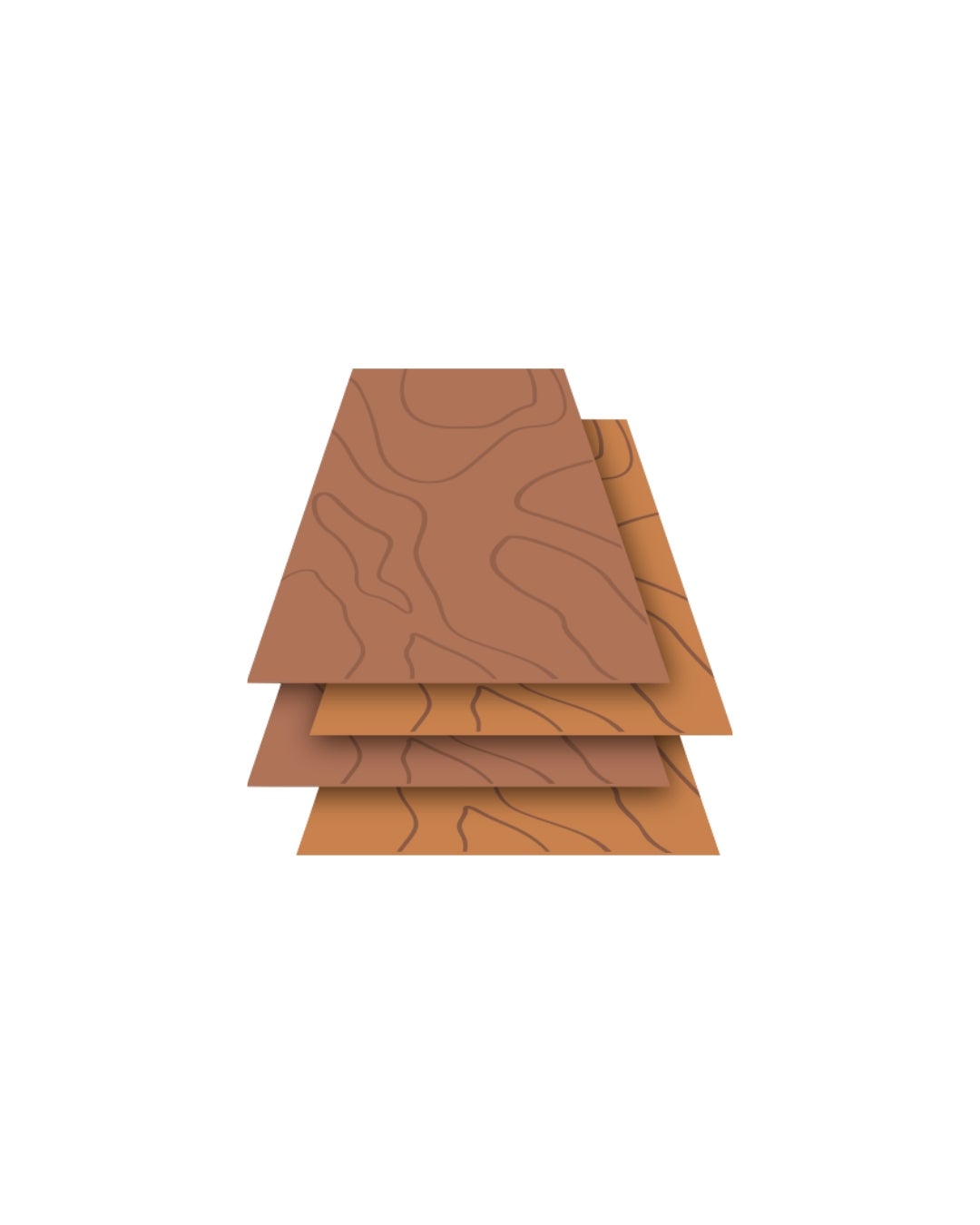
4. Gluing
The pile of veneer is glued after stacking as a block. Glue is applied to each strip during this process. The glue also influences the final appearance of the product because we can also add staining components to it.
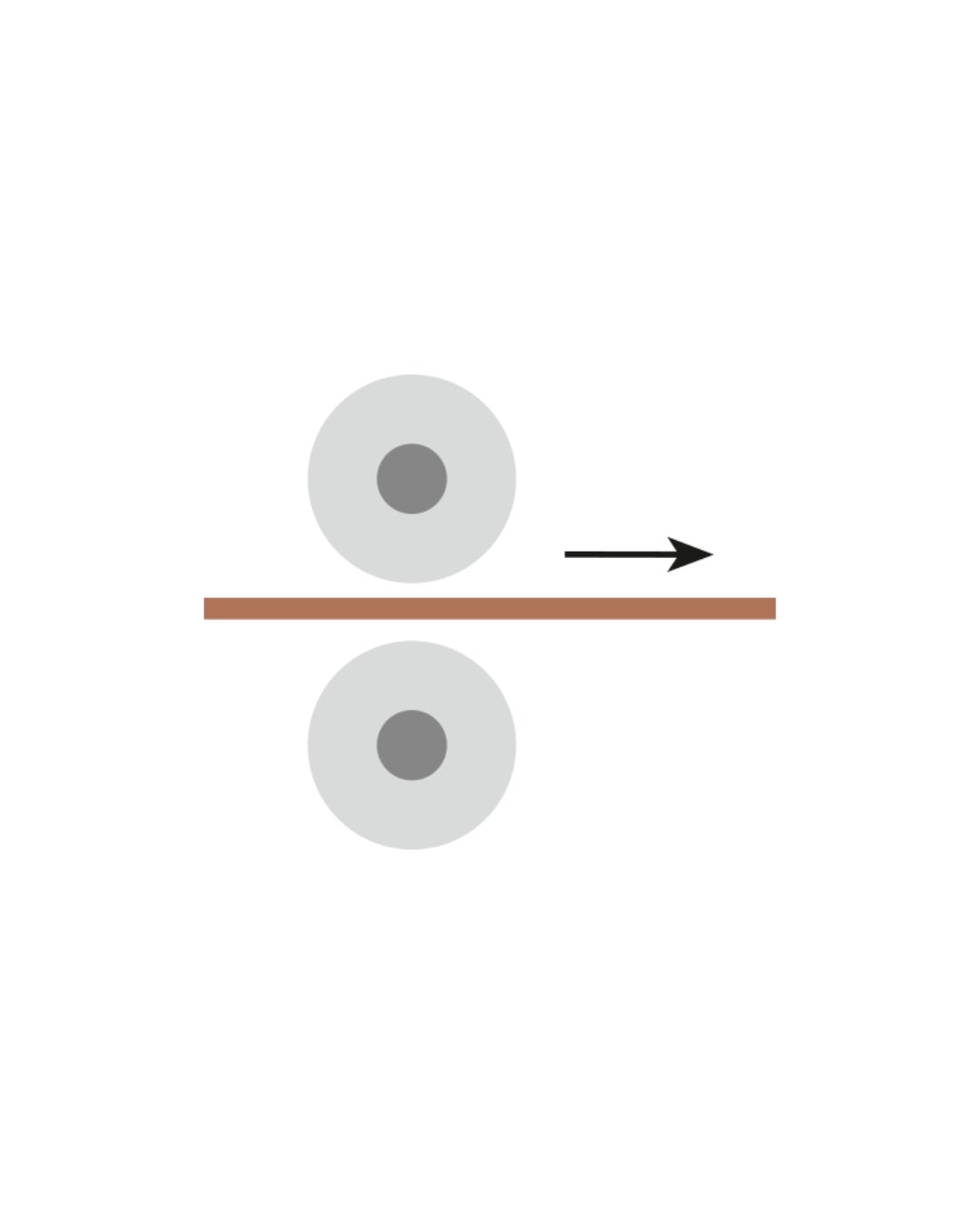
5. Pressing
The veneer block described in step 4 is now placed in a press. The press plates can be flat or have a certain shape. This also has an impact on the appearance.
For example: using a wavy press plate can be used to obtain the appearance of a rotary veneer structure.
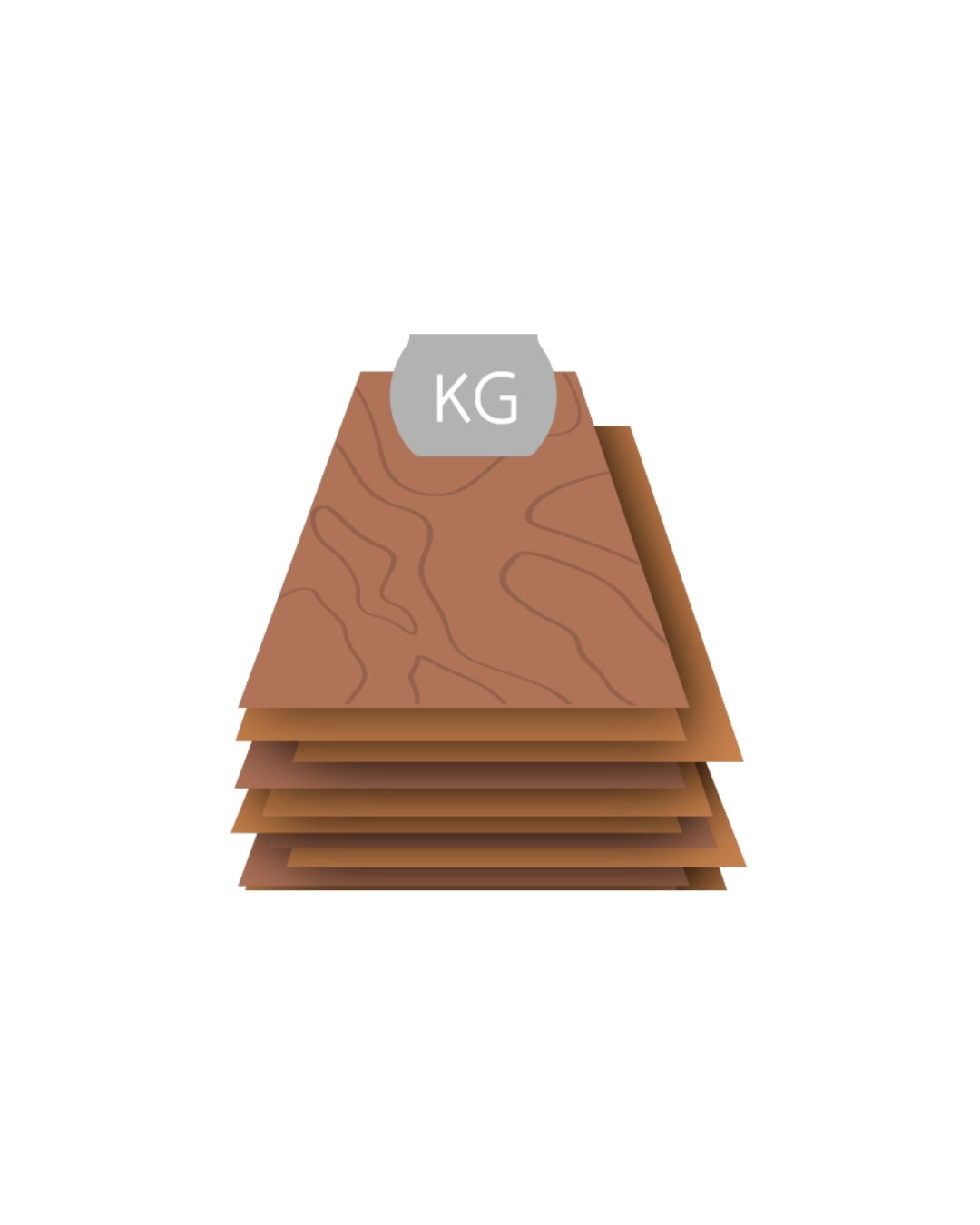
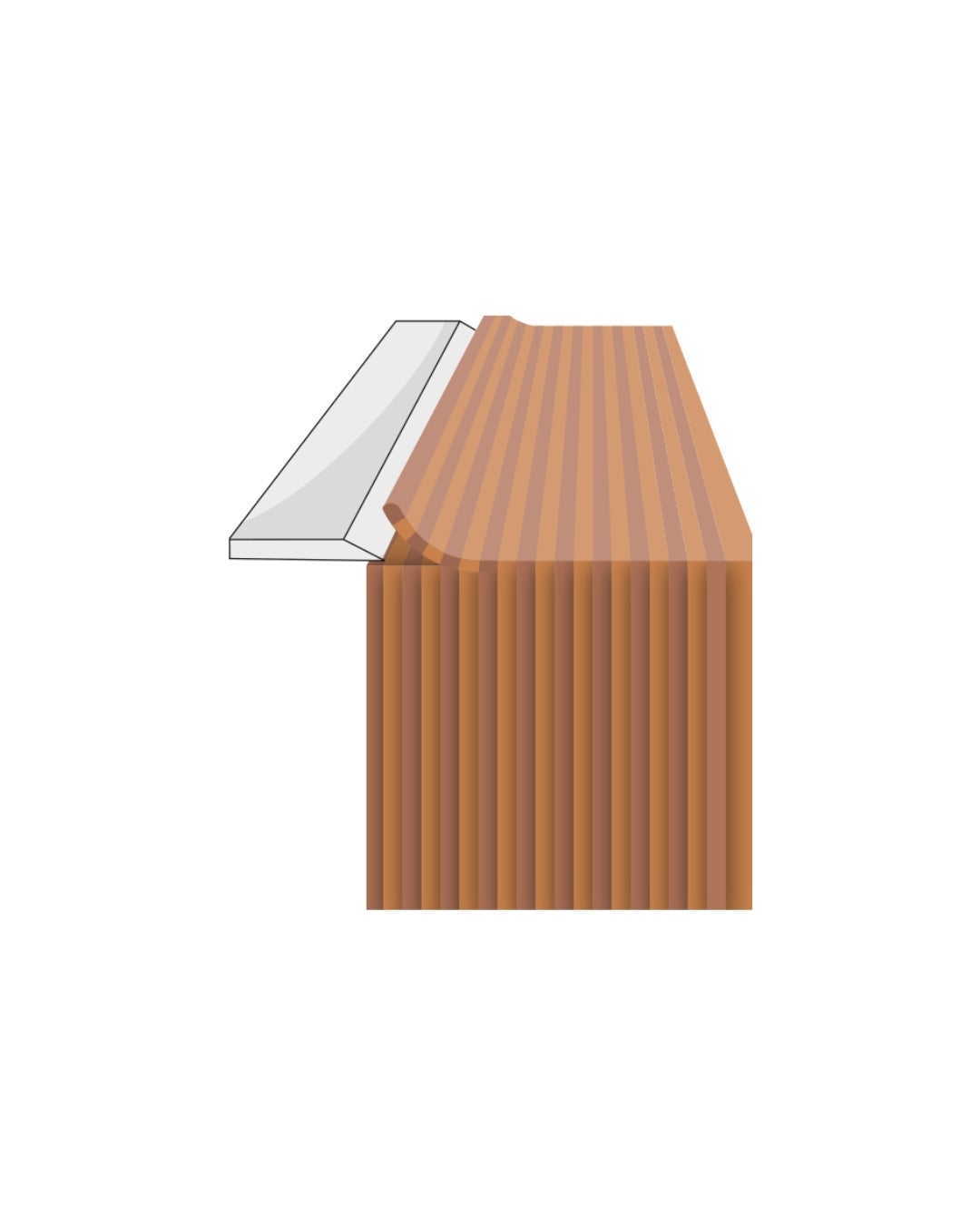
6. Sawing
After gluing, the block is sawn to create a perfect rectangular 'trunk'. This 'trunk' is subsequently sanded and now ready for further processing into reconstituted veneer.
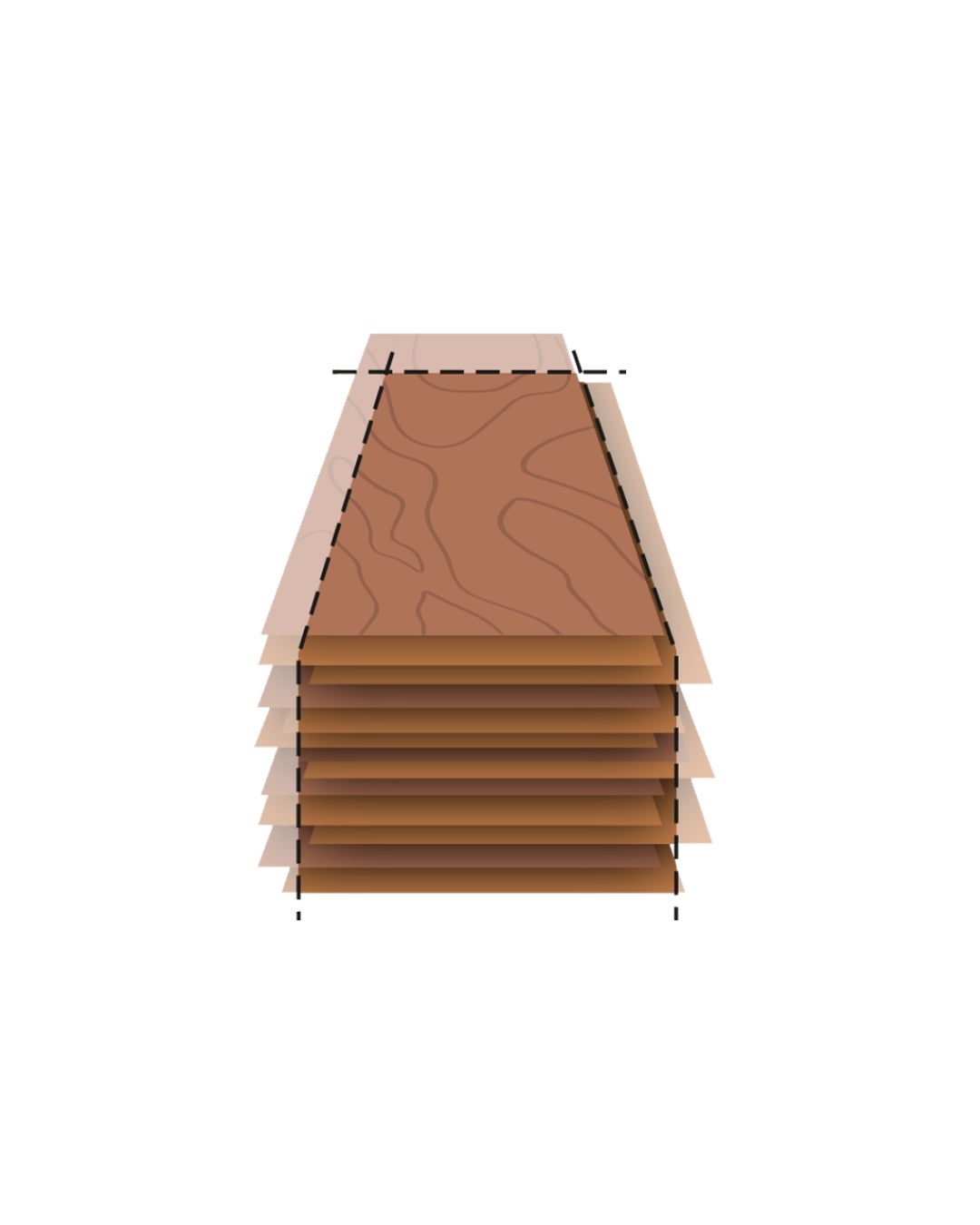
7. Cutting
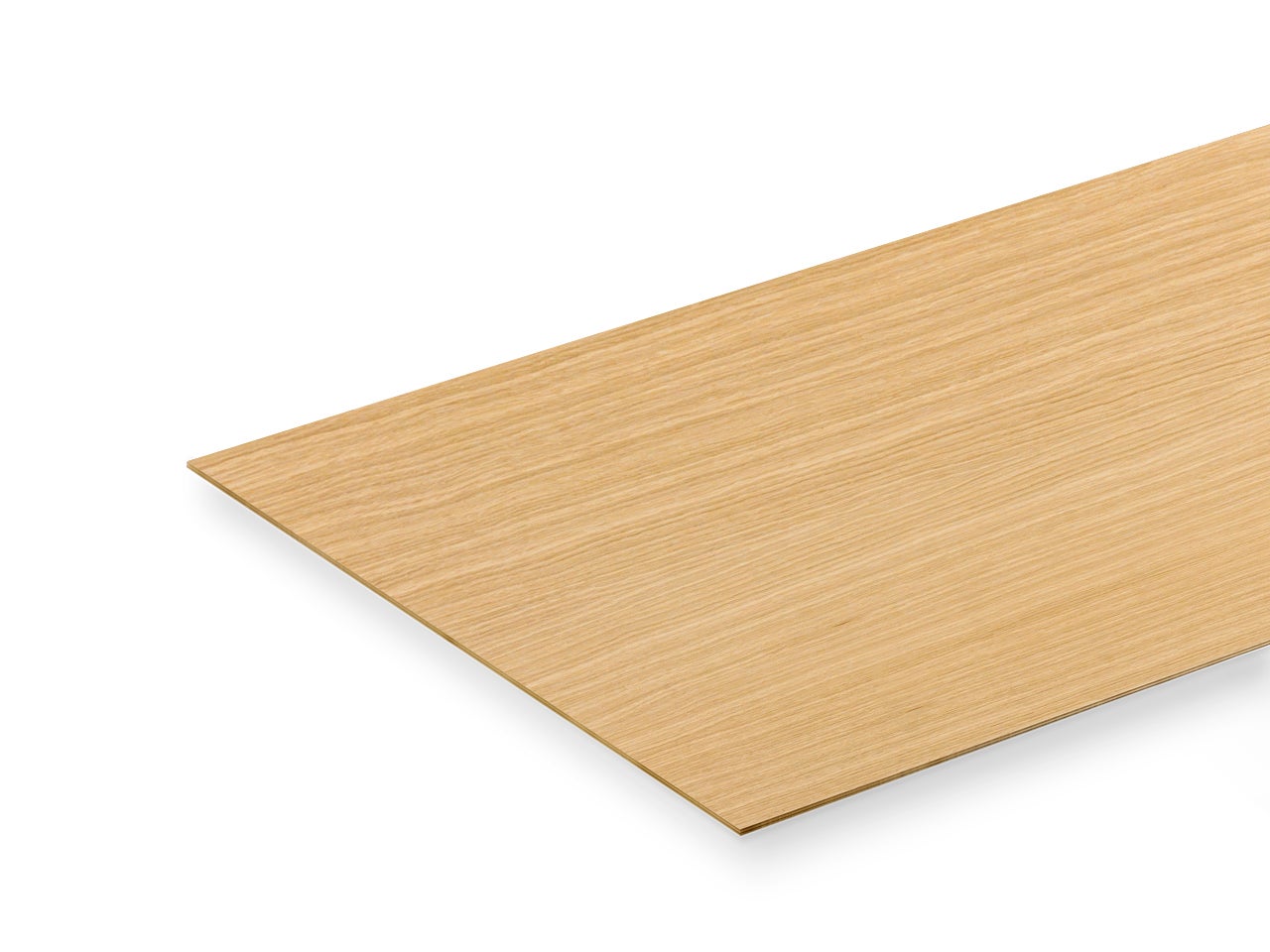
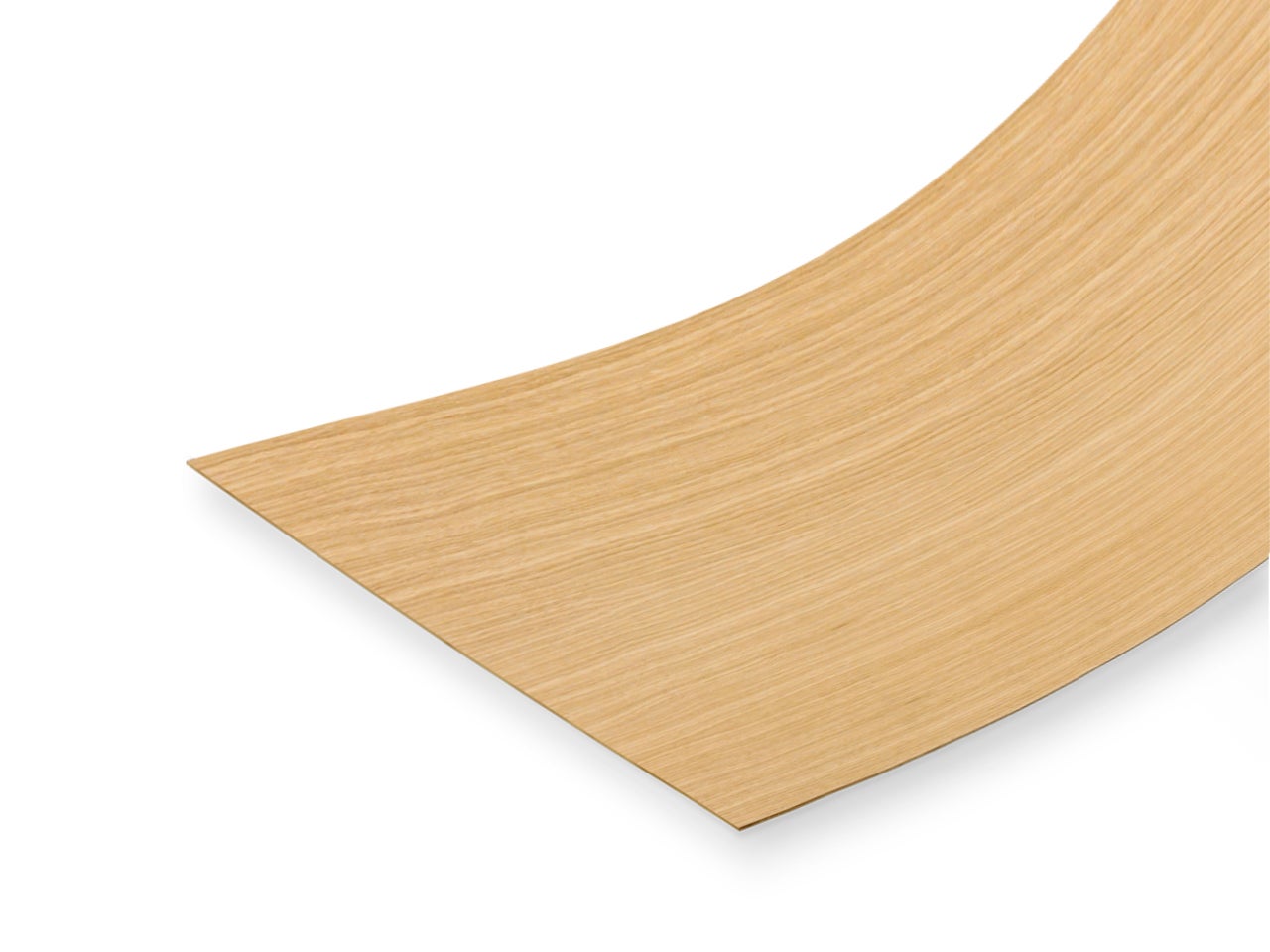
This new block is cut into 0.6 mm veneer. This veneer forms the basis for our products.
Cast in the same mould
For our Infinite Wood collection, we work together with Alpi. It’s a logical choice because this Italian company has the same values as Decospan. Like us, Alpi is committed to creativity, design, quality and sustainability. Together, we form a strong duo. Two partners who are constantly looking for the right way for wood to feature in every environment.
This unique collaboration is bearing fruit. Our veneer specialists and the Alpi colour experts developed numerous lab samples together. They are at the heart of Infinite Wood, a beautiful collection that is balanced yet refined.